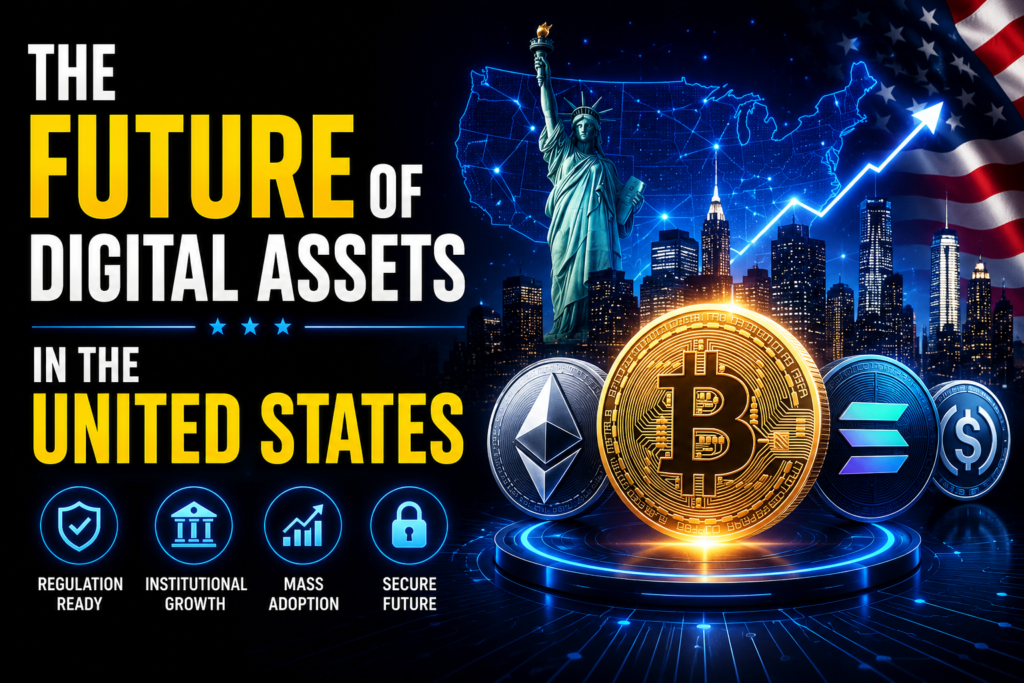
Digital Assets Are Becoming Part of Mainstream Finance
Digital assets have evolved from a niche technology concept into a growing segment of the global financial system. In the United States, increasing adoption by investors, businesses, and financial institutions has contributed to greater awareness of cryptocurrency and blockchain technology.
As infrastructure improves and regulations become clearer, digital assets are gradually becoming more integrated into traditional financial markets. This transition is creating new opportunities while encouraging broader discussions about the future of finance.
The coming years may prove critical in determining how digital assets fit into everyday economic activity.
Technology Continues to Drive Innovation
Blockchain technology remains the foundation of the digital asset industry. Developers continue creating solutions designed to improve efficiency, security, and accessibility across various sectors.
Innovation is expanding beyond cryptocurrency trading into areas such as payments, decentralized finance, digital identity, and tokenized assets. These developments demonstrate that blockchain technology has applications that extend far beyond its original use cases.
Continued technological progress will likely remain a key driver of future adoption.
Regulation Will Play an Important Role
The future of digital assets in the United States will be influenced significantly by regulatory developments. Clear guidelines can help businesses operate with greater confidence while providing investors with stronger protections.
Many industry participants support balanced regulations that encourage innovation without creating unnecessary barriers. A well-defined regulatory environment could help accelerate adoption and attract additional investment into the sector.
As policymakers continue evaluating digital assets, regulatory clarity is expected to remain a major topic of discussion.
Growing Interest From Businesses and Investors
Businesses are exploring blockchain-based solutions for operational efficiency, while investors continue evaluating digital assets as part of diversified portfolios. Institutional participation has increased significantly in recent years, contributing to greater market maturity.
The combination of technological innovation and growing institutional interest suggests that digital assets may continue expanding their role within the broader economy.
Although challenges remain, the long-term trend points toward increased integration between traditional finance and blockchain-based systems.
Conclusion
The future of digital assets in the United States appears closely tied to innovation, adoption, and regulatory progress. As blockchain technology continues evolving, digital assets may become increasingly important within financial markets and everyday commerce. Investors and businesses that stay informed about industry developments will be better positioned to understand the opportunities and challenges that lie ahead.